Latvia
Guiding youth toward independence through community and mentorship.
Our Impact In Latvia
Our Programs
The Graduate Program
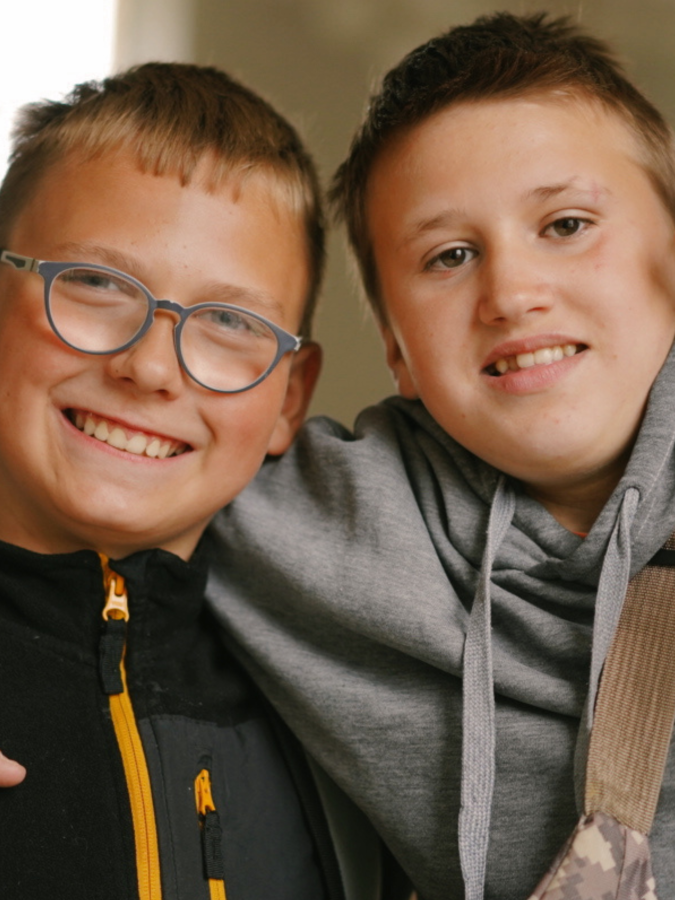
The Graduate Program provides young adults transitioning from foster or orphan care with what they need most: people who believe in them. Through personalized mentorship and guidance, participants build the relationships, skills, and confidence needed for healthy, independent lives. The program offers a safety net of support during a critical transition, helping young adults who lack family networks develop meaningful connections, make informed decisions, and build a foundation for their future.
The Family Support Center
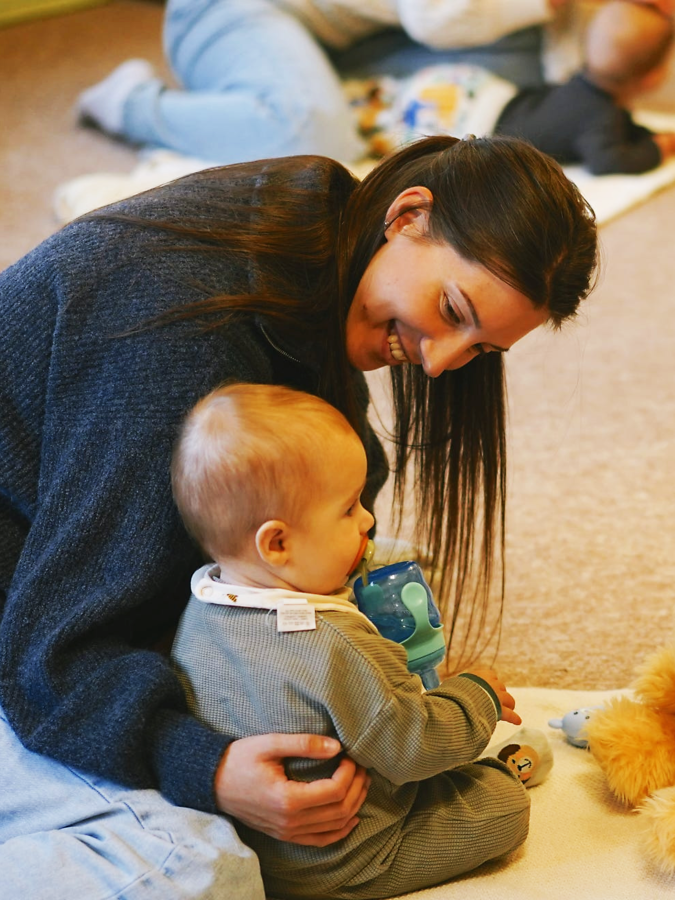
The Family Support Center provides support, training, and care that strengthens family life and community wellbeing. Through parenting education, early childhood development, counseling, and mentorship, parents and children are equipped to build healthy attachments, resilient relationships, and practical life skills. Created in response to the deep impacts of poverty and isolation, the Center walks alongside families—honoring their dignity and investing in their ability to thrive together, right where they live.
Why It Matters
Latvian Children live in Poverty or are at risk
Families in rural areas and small towns often have fewer employment opportunities than those in the country’s capital. Many parents also migrate abroad for work, leaving children in the care of relatives and creating additional instability for families already struggling financially.
Children Provided Care that Families Can’t Provide
While much has been done to transition children into foster families, kinship care, or smaller family-style homes, thousands of children still grow up separated from their biological families due to poverty, neglect, or social hardship.
To Education and Medicine for children of minorities or with special needs
In smaller villages, schools and medical services can be limited, and specialized support for children with developmental or learning needs is often concentrated in larger cities. Often young adults with special needs are placed in homes for the elderly, with limited access to transportation, education, and job opportunities.
Successfully Transition to Adulthood after leaving orphan or foster care
Many leave care without strong family networks, stable housing, or job preparation. Graduate programs that provide mentoring, life-skills training, and supportive community relationships can dramatically improve those outcomes.
Our Transformational Approach
In Latvia, our local staff walks alongside children, young adults, and their families in two programs that focuses on education, physical wellbeing, social-emotional growth, and spiritual support. Our team meets children and adults where they are—in their communities, honoring their stories, and building hope for their futures.
EDUCATION
PHYSICAL WELLBEING
SOCIAL-EMOTIONAL GROWTH
SPIRITUAL SUPPORT
Where we Work in Latvia
Sponsor a Child.
Impact the life of a child in Latvia while transforming your own.
Travel with Us to Latvia.
See hope firsthand.
Invest in Impact.
Change lives today. Transform futures forever.